Heating, Ventilation, and Air Conditioning (HVAC) systems play a crucial role in maintaining a comfortable and healthy indoor environment These systems rely on various components to operate efficiently, and one such component that is often overlooked but essential for the proper functioning of HVAC systems is HVAC rope.
HVAC rope is a specialized type of rope that is designed to withstand high temperatures, as well as being resistant to moisture, chemicals, and other environmental factors It is commonly used in HVAC systems for a variety of purposes, including sealing ducts, insulating pipes, and securing components in place Without the proper use of HVAC rope, heating and cooling systems can experience leaks, inefficiencies, and even failures.
One of the primary uses of HVAC rope is for sealing ducts Ducts are used to distribute heated or cooled air throughout a building, and if they are not properly sealed, air can escape, leading to energy wastage and decreased efficiency HVAC rope is used to seal joints and connections in ductwork, ensuring that air is properly contained and distributed to where it is needed This not only helps to improve the efficiency of the HVAC system but also reduces energy costs for the building owner.
In addition to sealing ducts, HVAC rope is also used for insulating pipes Pipes that carry hot or cold water in HVAC systems need to be properly insulated to prevent heat loss or gain HVAC rope can be wrapped around pipes to provide an additional layer of insulation, helping to maintain the desired temperature of the water inside the pipes This insulation not only improves the efficiency of the HVAC system but also prolongs the lifespan of the pipes by reducing the risk of corrosion and damage.
Furthermore, HVAC rope is used to secure components in place within the HVAC system This is particularly important for components that are subject to vibration or movement, such as fans, motors, and compressors hvac rope. By using HVAC rope to secure these components, the risk of damage or malfunction is reduced, ensuring that the HVAC system operates smoothly and efficiently.
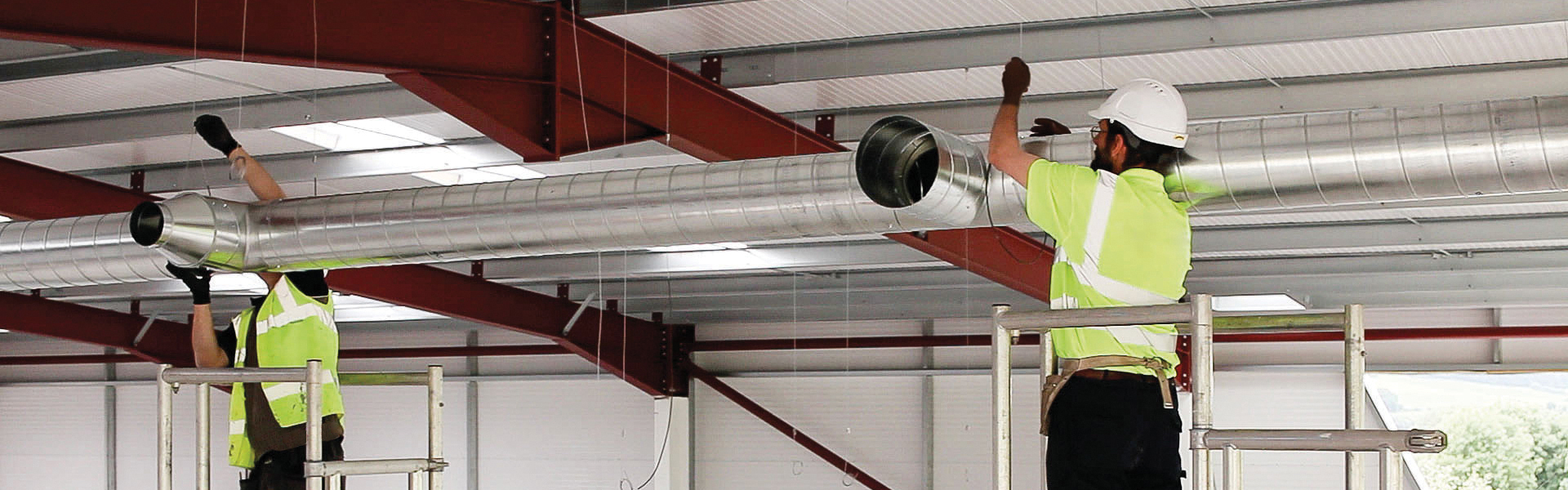
HVAC rope is available in a variety of materials, including fiberglass, silicone, and ceramic Each material has its own unique properties and advantages, making it suitable for different applications within HVAC systems For example, fiberglass rope is durable and heat-resistant, making it ideal for sealing ducts and insulating pipes Silicone rope is flexible and resistant to moisture, making it suitable for securing components in humid environments Ceramic rope is lightweight and has excellent thermal insulation properties, making it ideal for high-temperature applications.
When selecting HVAC rope for a specific application, it is important to consider the temperature, moisture, and chemical exposure that the rope will be subjected to Choosing the right type of HVAC rope ensures that it will perform effectively and last for an extended period of time Additionally, proper installation and maintenance of HVAC rope are essential to ensure that it continues to provide the desired level of performance.
In conclusion, HVAC rope plays a crucial role in the operation of heating and cooling systems From sealing ducts to insulating pipes to securing components, HVAC rope is a versatile and essential component that contributes to the efficiency and reliability of HVAC systems By understanding the importance of HVAC rope and selecting the right type for specific applications, building owners and HVAC professionals can ensure that their systems operate at peak performance and provide a comfortable indoor environment for occupants.